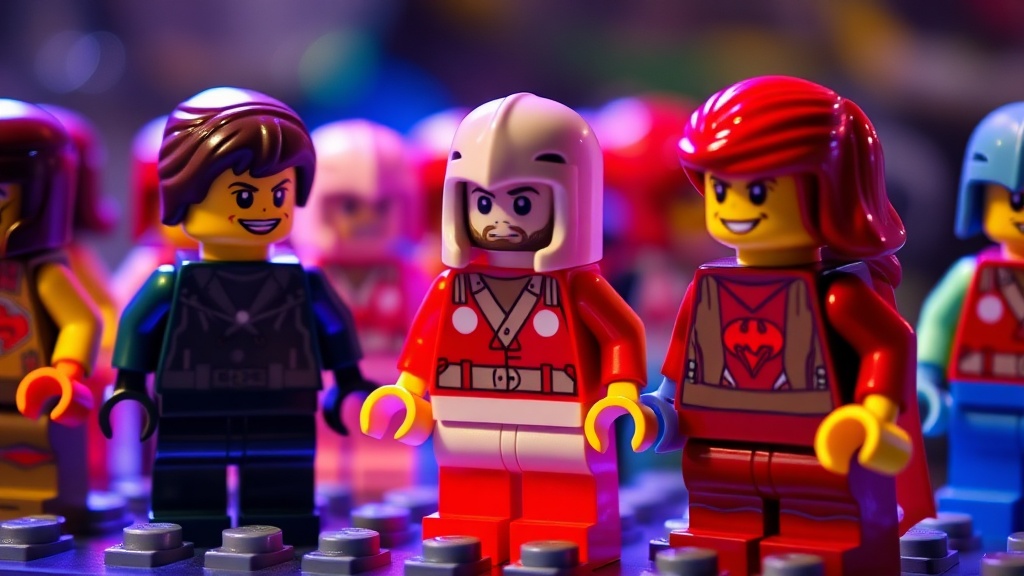
Why Do Some Minifigures Have Different-Colored Arms?

You're sorting through a bulk lot you picked up at a swap meet—hands dusty, knees sore from kneeling on concrete—and there it is. A Spider-Man minifigure with one dark blue arm and one bright red one. Your first thought? Manufacturing error. Your second thought? Maybe this is worth something. Factory variations in minifigure production have created an entire sub-niche within collecting, one where imperfection isn't just tolerated—it's actively hunted.
These variants (collectors call them "misprints," "factory errors," or simply "variations") emerge from the same production lines that pump out millions of identical figures. Understanding why they happen—and which ones matter—can turn a casual browsing session into a genuine treasure hunt. More importantly, knowing what to look for protects you from sellers who'll try to pass off wear, damage, or outright fakes as valuable factory quirks.
What Causes Factory Variations in Minifigure Production?
Minifigure parts injection molding happens at enormous scale. A single production run might involve dozens of molds operating simultaneously across multiple shifts. When a color hopper runs low, when a mold cavity develops slight wear, or when production schedules compress turnaround times—you get variations. Not errors in the sense of defective product, but deviations from the intended design that escape quality control.
The most common variation involves arm color. Early Star Wars figures are notorious for this—grey arms that should be black, flesh-toned arms on figures that should have white sleeves. These occurred when mold operators swapped color pellets between runs without fully purging the previous batch. A figure might emerge with one arm from the tail end of the previous color and one arm from the new batch.
Printing variations represent another major category. Pad printing (the process that applies faces, torsos details, and leg printing) involves aligning physical stamps with plastic parts. When alignment drifts—and it does—you get figures with off-center faces, missing eyebrow printing, or torso designs that bleed into arm sockets. Some collectors specialize exclusively in these printing drift specimens.
Perhaps the most coveted variations involve completely wrong parts. A Batman torso fitted with standard yellow hands instead of the intended flesh-tone. A Stormtrooper helmet in solid white rather than the two-tone black-and-white design. These aren't "errors" so much as production line mix-ups—parts bins getting swapped, assembly workers grabbing from wrong containers during high-pressure output periods.
Which Factory Variations Actually Matter to Collectors?
Not every variation carries value. A Luke Skywalker with slightly faded printing is just a played-with figure. A Luke Skywalker with completely missing face printing—that's something else entirely. The distinction comes down to documentation and desirability.
Documented variations—those that appear across multiple specimens and have been catalogued by the collecting community—command premiums. The BrickLink marketplace and BrickSet database track known variants, and prices adjust accordingly. A "standard" 2007 Clone Trooper might sell for $8. The same figure with the rare misprinted "angry" face variant? That'll run you $200-plus.
Rarity alone doesn't determine value. The 2012 series of collectible minifigures included a Zombie with a specific printing error where the brain detail appeared on the front of the head rather than the top. Thousands of these existed—yet they trade at premiums because horror-themed minifigure collectors specifically want them. Contrast this with a random City firefighter with slightly smudged printing. Same rarity, no dedicated buyer base.
Age and theme matter enormously. Older licensed figures (Star Wars, Harry Potter, early Marvel) from the 2000s and early 2010s had less rigorous quality control than modern production. Variations from this era surface regularly in bulk collections and remain the sweet spot for variation hunters. Modern figures have tightened tolerances—you'll still find variants, but they're scarcer and often more subtle.
How Can You Spot Genuine Factory Variations vs. Fakes or Damage?
This is where inexperienced collectors get burned. eBay listings describe "rare misprints" that are actually sun-faded figures, chemically altered parts, or outright custom modifications. Learning to authenticate separates actual collectors from people who overpay for junk.
Start with the plastic itself. Genuine factory variations use the same plastic formulation as standard releases—you won't feel a texture difference, and the color will be consistent within the varied part. Fake variations often involve painted parts (you can see brush marks under magnification) or parts sourced from different sets entirely (slight color shifts between production batches).
Check the mold markings. Every genuine LEGO part has tiny mold identifiers—numbers or letters stamped into the plastic during injection. These should match between varied parts and standard parts from the same era. A figure with mismatched arms where one arm lacks mold markings entirely? That's likely a replacement part, not a factory variation.
Printing alignment offers another clue. Genuine printing errors maintain the same ink quality and sharpness as standard printing—they're just positioned incorrectly. Fake "errors" often show bleeding, pixelation, or color mismatches that suggest home printing or poor-quality pad printing operations. Compare against documented examples on collector forums before purchasing expensive claimed variants.
Context matters too. A sealed polybag containing a known variant has provenance. A loose figure sold as "rare variation" with no documentation requires skepticism. The best variation finds happen in original collections—bulk lots from original owners who bought sets years ago and never paid attention to anomalies.
Where Do Collectors Find and Trade Factory Variations?
The variation market operates semi-underground. Major platforms like BrickLink allow variant listings, but dedicated communities drive most significant trades. Facebook groups specifically for minifigure errors, Reddit communities like r/legomisprints, and Discord servers host active buyers and sellers who understand the niche.
BrickFair and other LEGO conventions represent prime hunting grounds. Dealers who specialize in vintage and variant figures set up booths, and the ability to examine pieces in person eliminates the authentication risks of online buying. Bring a loupe or strong magnification—the details that separate genuine variations from fakes become obvious under 10x magnification.
Estate sales and bulk purchases remain the wild card. Original collectors who bought heavily during the 2000s-2010s often have variant figures mixed into storage bins without realizing it. The key is volume—the more figures you sort through, the higher your odds of finding something unusual. Most serious variation hunters maintain "want lists" of specific documented variants and comparison photos on their phones for field identification.
Pricing follows no fixed rules. A variation might list at $50 and sell for $200 if two collectors compete. Conversely, documented variants sometimes sit unsold for months if the right buyer isn't looking. Patience rewards the variation collector more than aggression—except at conventions, where rare pieces move quickly.
The collecting community itself polices authenticity. Sellers with reputations for passing off altered parts get ostracized quickly. Before major purchases, experienced collectors consult trusted peers or post detailed photos to authentication threads. This social verification layer protects the market from becoming flooded with fakes.
Should You Collect Factory Variations or Stick to Standard Releases?
This depends entirely on your collecting psychology. Standard releases offer completeness—you can build a collection with defined boundaries, checklists, and achievable goals. Variation collecting embraces chaos. You never know what you'll find, and "completing" a variation collection is functionally impossible.
Storage and display create practical considerations. Variation collectors often maintain duplicate standard figures alongside their variant pieces for comparison. A single shelf might display eight versions of the same Boba Fett figure, each with subtle differences. This approach requires more space and organizational discipline than casual collecting.
The financial aspect varies by approach. Top-tier documented variations appreciate reliably—they're genuinely scarce and have established buyer demand. Random undocumented "weird" figures might never find buyers regardless of how odd they look. Collecting variations as investment requires deep market knowledge. Collecting them for personal satisfaction just requires enjoying the hunt.
Most variation collectors started as standard collectors who noticed something odd and got curious. That curiosity—wondering why this particular figure looks different—drives the entire sub-niche. The next time you're sorting bulk lots or browsing convention bins, slow down. Check the arm colors. Look at the printing alignment. That strange little figure might be worth far more than its standard counterpart—or at minimum, it carries a story about production lines and plastic pellets that standard releases never could.