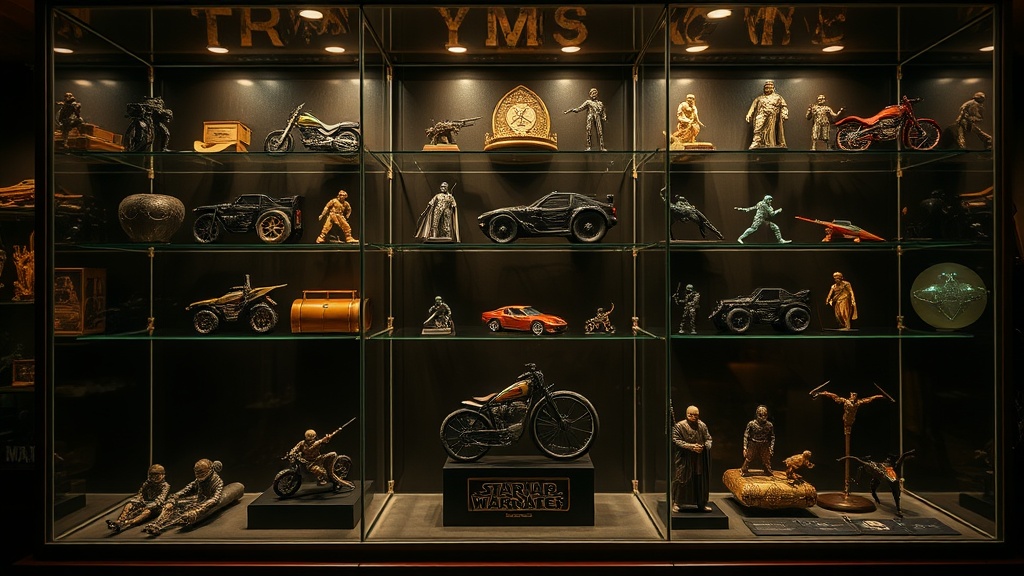
Why Display Cases Change Everything for Your Collection

What you'll learn about protecting your collection
This post covers the specific reasons why physical barriers—specifically display cases—are the most effective way to protect your plastic assets from environmental damage. You'll learn about the relationship between air circulation and dust, the impact of UV light on pigment stability, and how to choose a display solution that fits your specific collection size.
Displaying your figures is more than just a way to show them off; it's a way to control their environment. When you leave a figure out on a bare shelf, it's exposed to every variable in your room. Dust settles, light hits it, and humidity fluctuates. While a single figure might survive a few months in the open, a collection of hundreds becomes a maintenance nightmare without a barrier.
Is a display case worth the investment?
Many collectors wonder if the cost of a high-quality acrylic or glass case is worth it. The answer depends on the value of the pieces you're housing. If you're displaying common, low-cost figures, a simple open shelf might suffice. However, for high-value, rare, or limited-edition pieces, a case acts as a physical insurance policy. A case prevents the two biggest enemies of plastic: dust and light.
Dust isn't just an aesthetic issue. Over years, dust can become abrasive and settle into the joints of your figures. If you have to wipe a figure down frequently to remove buildup, you're increasing the risk of micro-scratches on the surface. A sealed case creates a controlled micro-climate. It might not be a vacuum—nothing is truly airtight—but it significantly slows the rate of accumulation. This means you spend less time cleaning and more time admiring your finds.
How does UV light affect figure colors?
This is the part most people overlook. Sunlight and even certain types of indoor lighting emit UV rays that break down the chemical bonds in plastic and ink. This leads to "yellowing" or fading. If you've ever seen a white figure turn a sickly yellow, you've seen the effects of UV exposure. Using a display case with UV-resistant properties can slow this process significantly. Even if your case isn't 100% UV-proof, the physical barrier provides a secondary layer of protection against direct light paths.
You can research more about the chemical stability of materials through sites like ScienceDirect to see how environmental factors affect polymers. For those interested in the technical aspects of display-grade acrylic, checking out manufacturer specifications is a smart move. A high-quality acrylic case provides a much clearer view than cheap, cloudy plastic, which helps preserve the visual integrity of your collection.
Which display type works best for your scale?
Choosing a display method requires looking at your collection's volume and your available space. There isn't a one-size-fits-all solution. You have to decide between tiered shelving, individual pedestals, or large-scale modular units. A tiered approach is often best for depth, allowing you to see the figures in the back rows without them being obscured by the front rows. This is a common way to maximize vertical space in a small room.
- Acrylic Cubes: Great for single, high-value figures or small groups.
- Modular Shelving: Ideal for growing collections where you can add more units as you acquire new pieces.
- Glass Cabinets: Best for large-scale displays that require heavy-duty protection and a premium look.
If you are a heavy collector, you'll likely want something modular. The beauty of modularity is that it grows with you. You might start with a single shelf, but as your collection expands, you can add more units that fit together seamlessly. This prevents your display from looking cluttered or disorganized. A well-organized display is a much more pleasing experience than a haphazard pile of figures on a desk.
One thing to keep in mind is weight and stability. As you add more figures, the weight on your display unit increases. If you're using a cheap plastic shelf, it might bow or even fail under the weight of a dense collection. Always check the weight capacity of your display case before you start filling it. It’s a simple step that prevents a massive headache (and broken pieces) later.
The choice of material also matters. Glass is incredibly clear and offers excellent protection, but it's heavy and fragile. Acrylic is much lighter and more durable, making it a favorite for collectors who move their collections frequently. While acrylic can scratch more easily than glass, it's generally the more practical choice for most enthusiasts. Regardless of what you choose, the goal is to create a permanent, stable home for your figures.