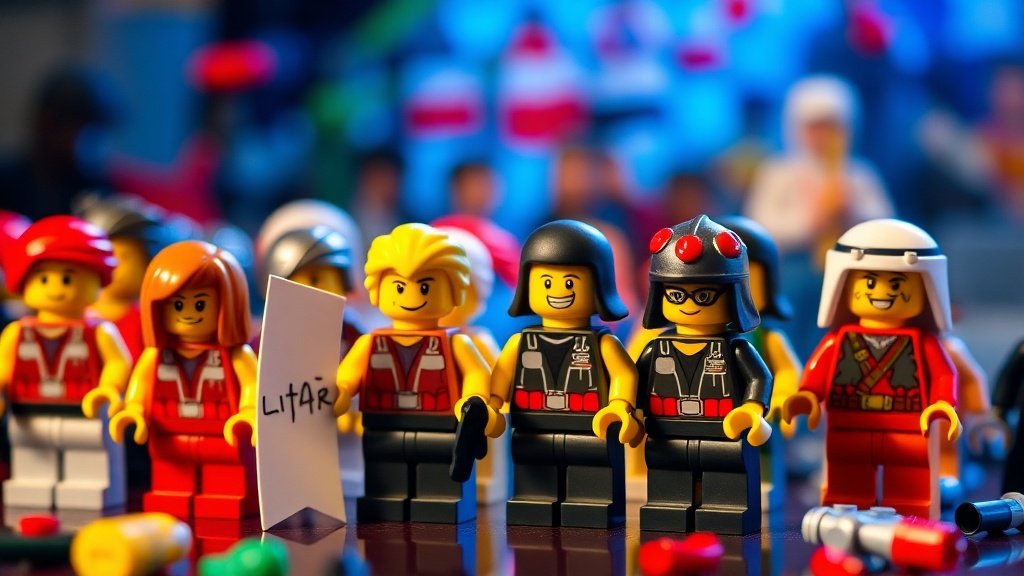
The Ultimate Guide to Collecting LEGO Minifigures: Tips for Beginners

This guide breaks down everything needed to start collecting LEGO minifigures without wasting money on fakes or overpaying for common pieces. Whether hunting down rare Series 1 Cowboy figures or building a complete Marvel display, these strategies help avoid rookie mistakes. By the end, you'll know where to buy, how to authenticate, and what makes certain minifigures worth $5 versus $500.
What Makes LEGO Minifigures Valuable?
Rarity, condition, and licensing agreements determine value. The 2010 Mr. Gold figure from Series 10—only 5,000 ever produced—regularly sells for $1,500+ on eBay. Meanwhile, a common City construction worker might fetch $3.
Licensed themes drive serious premiums. Star Wars minifigures dominate the high-end market. The Boba Fett (Cloud City) figure from 2003 commands $800–$1,200 because LEGO only included it in one set for one year. Disney, Marvel, and Harry Potter follow similar patterns—limited production runs tied to movie releases create artificial scarcity.
Printing quality matters too. Early minifigures used simple pad printing. Modern figures feature dual-sided face prints, arm printing, and leg side printing. The 2023 LEGO Star Wars Commander Cody figure showcases this evolution—detailed printing across the helmet, torso, arms, and legs justifies its $40 aftermarket price.
Here's the thing: condition is everything. A sealed, unassembled minifigure in original packaging (often called "new, unassembled" or NUA) beats a played-with figure every time. Even minor scratches on the torso or faded printing slashes value by 50% or more.
Understanding the Grading Scale
Serious collectors use standardized condition grades:
- Mint/Near Mint: No visible flaws, crisp printing, tight joints
- Excellent: Minor play wear, slight joint loosening, no print damage
- Good: Visible scratches or fading, still display-worthy
- Acceptable: Heavy wear, missing accessories, loose joints—parts value only
The catch? Grading is subjective. Always request detailed photos before buying expensive pieces. Reputable sellers on BrickLink provide multiple angles showing print clarity, joint condition, and any factory imperfections.
Where Should Beginners Buy LEGO Minifigures?
Start with BrickLink, LEGO's official Pick-a-Brick wall, and verified eBay sellers—each offers different advantages depending on budget and goals.
BrickLink remains the collector's marketplace. Individual sellers list specific minifigures with detailed condition notes. The site uses a feedback system similar to eBay, so established sellers with 1,000+ positive ratings provide safer transactions. Filter by location to avoid international shipping costs—Canadian buyers often save 15–25% buying from domestic sellers versus importing from Europe.
LEGO Store Pick-a-Brick walls offer hands-on hunting. Not every store stocks minifigure parts, but flagship locations (West Edmonton Mall, Toronto's Eaton Centre) regularly rotate exclusive elements. The cost—usually $2–$4 per figure when buying parts individually—beats aftermarket prices for common pieces.
Worth noting: Facebook Marketplace and Kijiji can yield incredible deals from parents clearing out childhood collections. The risk? Fakes and incomplete figures. Always verify printing quality in person—authentic LEGO uses thick, crisp pad printing while knockoffs show blurry edges and thin paint application.
| Source | Best For | Price Range | Risk Level |
|---|---|---|---|
| BrickLink | Specific figures, rare pieces | $2–$2,000+ | Low (with verified sellers) |
| LEGO Pick-a-Brick | Common parts, army building | $0.50–$4/part | None |
| eBay (verified) | Lots, sealed Series packs | $5–$500 | Medium |
| Facebook Marketplace | Bulk collections, deals | $0.50–$10/figure | High |
| Local toy shows | Inspecting before buying | Market rate | Low |
How Can You Spot Fake LEGO Minifigures?
Check the neck stud—authentic LEGO features the embossed "LEGO" logo in clean, sharp relief. Counterfeits often skip this detail or use blurry impressions.
Plastic quality tells the real story. Genuine LEGO ABS plastic has a specific feel—smooth but with slight texture, never greasy or overly shiny. Hold a fake next to authentic LEGO and the difference becomes obvious. Cheap knockoffs (Lepin, Bela, Sheng Yuan are common counterfeit brands) use softer plastic that yellows faster and develops stress marks.
Printing precision separates authentic from fake. LEGO's pad printing applies ink at exact pressure points—lines stay crisp even under magnification. Counterfeit printing bleeds slightly at edges, especially around complex designs like Star Wars helmet details. That said, some high-end fakes now use similar techniques, so always verify multiple characteristics.
Accessories provide another clue. Authentic LEGO weapons and tools have specific mold marks and plastic density. A fake lightsaber feels lighter and the plastic looks almost translucent. The LEGO Group's quality control is legendary—if something feels off, it probably is.
"I've handled thousands of minifigures, and fakes always fail the neck stud test. No legitimate LEGO minifigure leaves the factory without that logo." — Veteran BrickLink seller
The Feel Test
Experienced collectors develop instinct. Joints on authentic minifigures provide specific resistance—arms rotate smoothly but hold position, hips click at precise intervals. Fakes feel either too loose (arms flop) or too tight (risk of cracking when moved). That said, older genuine LEGO can loosen with age, so factor figure age into assessment.
What Are the Best Storage and Display Options?
UV protection, dust control, and accessibility determine the right storage solution. Minifigures exposed to direct sunlight fade within months—especially red and yellow printing.
The Minifigure Display Case 16—Black (official LEGO product #4065) holds 16 figures behind clear acrylic. At $25, it's overpriced for serious collections but perfect for showcasing grails. For bulk storage, Really Useful Boxes (the 4-liter size) stack efficiently and protect from dust. Individual 2x3 resealable bags (available at most dollar stores) prevent figures from scratching each other during transport.
Serious collectors invest in Franck & Fischer Minifigure Shelves or custom acrylic risers from Etsy sellers. These tiered displays create museum-quality presentations. Here's the thing—spending $200 on display cases for $500 worth of figures isn't crazy. Proper storage preserves value.
For travel and conventions, GoBrick Me hard cases with foam inserts protect individual figures. The 48-figure case runs about $40 and prevents the heartbreak of discovering a cracked Stormtrooper helmet after a bumpy flight.
Environmental Factors
Temperature and humidity affect plastic longevity. Ideal conditions mirror what you'd want for wine—cool, dry, consistent. Basements in Edmonton (where this author collects) work well due to low humidity, though summer temperature swings require monitoring. Avoid attics—heat damage warps plastic and loosens joints permanently.
How Do You Start a Themed Collection?
Pick one theme and complete it before expanding. The biggest beginner mistake? Buying random "cool" figures until the collection becomes unfocused and storage becomes chaos.
Popular starter themes include:
- Complete Series: Collecting every figure from Collectible Minifigures Series 1 through current (25+ series) provides structure and clear completion goals
- Star Wars Sub-themes: Focus on Original Trilogy bounty hunters, or Clone Wars Jedi, or Mandalorian characters
- Historical Warriors: Vikings, Castle knights, Pirates—often cheaper than licensed themes
- Modern City: Complete professions (all doctors, all firefighters) creates cohesive displays
That said, budget dictates reality. A complete Series 1 collection costs $800–$1,200 today. Starting with recent series (Series 24, 25, 26) keeps initial investment under $200 while building knowledge.
Army Building vs. Character Collecting
Two philosophies dominate. Army builders buy multiples of generic figures—Stormtroopers, Orcs, City police—to create scene displays. Character collectors pursue unique named figures: Batman variants, specific Jedi, individual Simpson family members. Neither approach is "better"—but mixing both strains budgets fast.
Worth noting: army building common figures often provides trading use. That stack of 20 First Order Stormtroopers (each worth $4–$6) might trade for one $100 rare figure with the right collector. Local LEGO User Groups (LUGs) facilitate these trades—Edmonton's own NALUG (Northern Alberta LEGO User Group) hosts quarterly swap meets.
What Tools and Resources Do Collectors Need?
Beyond figures and storage, three resources prove invaluable: BrickLink's catalog for price checking, the BrickSet database for set reference, and a jeweler's loupe (10x magnification) for authentication.
The LEGO Minifigure Catalog app (available on iOS and Android) provides offline access to thousands of minifigure entries. It won't show current market prices—only BrickLink does that reliably—but it's key for identifying mystery figures or confirming printing variants.
A digital scale measuring to 0.1 gram helps verify authenticity. Most minifigures weigh between 2.5–4.0 grams depending on accessories. Significant deviations suggest knockoffs (which often use different plastic densities) or missing pieces.
Finally, join communities. Reddit's r/lego and r/legomarket provide beginner-friendly advice. The BrickPicker forum discusses investment potential (though collecting for profit rarely beats collecting for joy). Local connections matter most—nothing beats holding a figure before buying.
Start small. Buy one figure that genuinely excites you—a childhood favorite, a character you love. Learn everything about that specific release: its set number, production years, printing variants, common fakes. That deep knowledge builds the foundation for smart collecting decisions. The hobby rewards patience, research, and genuine enthusiasm for these tiny plastic works of art.