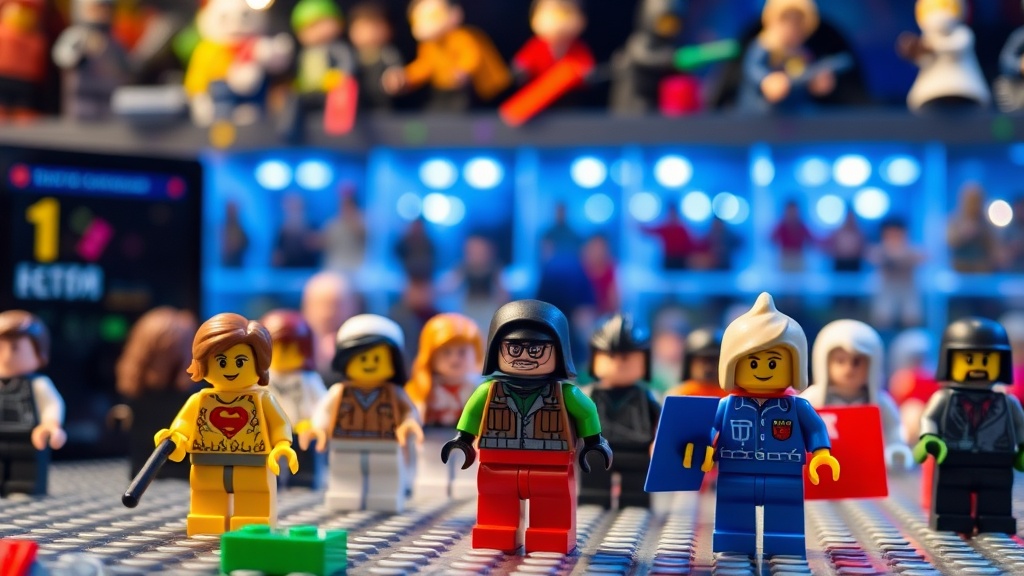
The Ultimate Guide to Collecting LEGO Minifigures in 2024

This guide breaks down everything needed to start or level up a LEGO minifigure collection in 2024 — from spotting valuable retired series to proper storage solutions and where to buy without getting burned. Whether someone is staring at a shoebox of random figures or hunting for that sealed Series 1 Zombie, the collecting landscape has shifted dramatically. New releases, resale market fluctuations, and authentication challenges make this the perfect time to get strategic about acquisitions.
What Makes a LEGO Minifigure Valuable?
Rarity drives price. Plain and simple. But rarity itself depends on several factors — production numbers, distribution region, and whether a figure came from a limited promotional run or mass-market set.
The BrickLink marketplace tracks real-time pricing data, and the numbers tell interesting stories. Take the 2010 Series 1 Zombie — originally sold in $3 blind bags, now commanding $150+ in mint condition. Why? LEGO produced far fewer Series 1 packs before knowing if Collectible Minifigures (CMFs) would succeed. The gamble paid off for the company. Early collectors hit the jackpot.
Here's what actually moves the needle on resale value:
- Series completion difficulty: Early series (1-5) had shorter production runs
- Exclusive prints: Figures like Mr. Gold from Series 10 had only 5,000 worldwide
- Licensed characters with expired agreements: Disney and LEGO periodically renegotiate — old Princess Leia variants? Up in price.
- Regional exclusives: Comic-Con giveaways, certain brand store opening specials
- Condition: Unassembled, unplayed-with figures in original packaging command premiums
The catch? Condition verification is tricky in online markets. Photos lie. Sellers swap parts. A "complete" figure might have reproduction accessories. That said, reputable sellers on BrickOwl maintain detailed feedback systems that reward transparency.
Where Should You Buy LEGO Minifigures in 2024?
The best sources depend entirely on budget, patience, and tolerance for risk. Each channel has distinct trade-offs between price, authenticity guarantees, and selection breadth.
Physical retail still works for current series. Walmart, Target, and official LEGO Stores stock the latest CMF series (Series 25 released January 2024). The "feel method" — gently squeezing blind bags to identify figures by unique accessories — remains viable but ethically controversial. Some stores now hang display boxes behind counters because of it.
For retired figures, the secondary market dominates. Here's how the major platforms compare:
| Platform | Best For | Price Range | Risk Level |
|---|---|---|---|
| BrickLink | Rare variants, part-out sellers | Market rate to premium | Low (escrow protection) |
| eBay | Lots, incomplete figures for projects | Variable (auctions can steal) | Medium (counterfeits exist) |
| Facebook Marketplace | Local bulk buys, estate sales | Often below market | High (no buyer protection) |
| Minifigure Maddness | Complete sealed series | Retail to 20% over | Low (specialized dealer) |
| Reddit r/legomarket | Community trades, fair pricing | Community-driven | Medium (peer review system) |
Worth noting: International shipping from European sellers often makes sense even with import fees. Certain German and Dutch retailers stock regional exclusives that never hit North American shelves. The €12 shipping stings less when acquiring a figure that sells for triple domestically.
How Can You Spot Fake LEGO Minifigures?
Counterfeits have improved terrifyingly. Chinese manufacturers now produce knock-offs that fool casual inspection. The LEGO logo on studs — once the gold standard for authentication — appears on high-end fakes too.
Real LEGO plastic has a specific feel. It's slightly oily when new (from the manufacturing mold release compound), holds fine detail exceptionally well, and has consistent color matching across production batches. Clone brands use different ABS formulations — often stiffer, sometimes with visible injection molding lines.
The definitive authentication checks:
- Stud logos under magnification: Genuine LEGO uses a specific font with the ® symbol clearly formed. Fakes often miss this detail.
- Hollow neck tubes: Authentic minifigures have the LEGO logo inside the neck stud. Most clones skip this entirely.
- Arm clutch power: Real LEGO arms hold position but move smoothly. Many counterfeits are too loose or unnaturally stiff.
- Print alignment: Official printing rarely drifts off-center. Minor registration errors on fakes are common.
Here's the thing — the counterfeit market serves a purpose some collectors won't admit. Customizers buy clone figures specifically to practice painting techniques or modify without destroying valuable originals. That's a legitimate use case. Passing them off as authentic on resale? That's fraud. Know the difference.
Storage and Display Strategies That Actually Work
UV light destroys LEGO. Period. That sunny windowsill display? It's slowly yellowing white pieces and fading printed details. The chemical process — photodegradation of the ABS polymer and color additives — is irreversible.
Serious collectors invest in archival solutions. The Really Useful Box 4-liter (available at Staples and Office Depot) holds approximately 150 loose minifigures in compartmentalized trays. For displayed collections, IKEA's DETOLF cabinet with added LED strips provides dust protection and lighting control — just ensure the LEDs are 3000K or below; cooler temperatures still emit damaging wavelengths.
Climate matters more than most realize. Ideal storage conditions run 18-22°C with 40-50% humidity. Basements invite mold. Attics create brittleness. That temperature swing from summer to winter? It stress-fractures plastic over decades.
For active collectors who rotate displays, consider the Minifigure Display Case by Wicked Brick — acrylic steps with individual slots, wall-mountable, and designed specifically for CMF proportions. At around $45 USD, it's not cheap. But it beats the $2 thrift store frame method that inevitably ends with figures face-down on carpet.
The 2024 Release Calendar: What's Worth Watching
LEGO's release strategy has shifted toward licensed tie-ins. Original characters in CMF Series 25 (the farmer with the prize pig, the espionage action hero) offer refreshing creativity amid the branded content. But the licensed figures typically appreciate faster — Disney's 100th Anniversary series proved this, with certain characters doubling in value within months of retirement.
Upcoming sets to monitor:
- Despicable Me 4 collaboration: Minions figures use specialized molds — limited reuse potential means scarcity later
- Marvel Series 2 CMF: Moon Knight and Agatha Harkness appeal to adult collectors (higher disposable income, stronger aftermarket)
- DREAMZzz themed figures: Kids love this theme. Adult collectors don't. Perfect storm for future rarity if the line ends quickly
The Edmonton LEGO community — yes, Eloise Kim's local scene — hosts monthly trading events at Southgate Centre's community room. These in-person meets bypass shipping costs, authentication concerns, and platform fees. Most major cities have similar gatherings through LUGs (LEGO User Groups). Brickset's events calendar lists official and community events by region.
Building a Collection on a Realistic Budget
Not everyone has $500 to drop on a single Mr. Gold. (Honestly, most collectors shouldn't — that money buys entire completed series.) The sustainable approach? Focus.
Pick a niche. Star Wars clone troopers. Disney princesses. Classic space figures from 1978-1988. Medical professionals across all themes (surprisingly deep sub-category). Narrow focus creates expertise — and expertise prevents overpaying.
The "one per month" rule works for many collectors. Set a fixed budget — $30, $50, whatever fits — and acquire one meaningful piece monthly. In a year, that's a curated dozen rather than a random pile of impulse purchases. Quality over quantity isn't just a cliché here; it's the difference between a collection and clutter.
For bulk acquisitions, watch estate sales in affluent neighborhoods. The "LEGO lot" listing often hides treasures among the bulk bricks. A $200 bin purchase might contain three $50 figures buried inside. The math works if — and only if — time spent sorting has value in the collector's equation.
"Collecting isn't about owning everything. It's about owning the right things for reasons that matter to you." — Eloise Kim
Start where you are. Use what you have. Collect what you love. The rest sorts itself out.