Protecting Your Plastic: Long-Term Storage Solutions for Collectors

Did you know that certain types of plastic can actually undergo a process called "plasticizer migration" if stored in a poorly ventilated environment? This chemical shift can leave your figures feeling sticky or even cause them to bond to their containers. Keeping a collection in top shape isn't just about looks; it's about preventing irreversible physical degradation. This guide covers the specific storage methods, container types, and environmental controls you need to keep your figures in pristine condition for decades.
Whether you're dealing with a single display case or a massive warehouse of boxed sets, the way you house these items dictates their lifespan. Most collectors think a simple shelf is enough, but temperature and humidity are constant enemies. If you don't account for them, you might find your rare pieces suffering from yellowing or structural weakness before you even realize there's a problem.
What is the Best Way to Store Minifigures?
There isn't a single "correct" answer because it depends on whether you're a builder or a purist. If you're a builder, you likely prefer your figures out in the open, perhaps on a desk or a shelf. For these types of collections, clear acrylic cases are the standard. They provide a barrier against dust and skin oils, which are highly acidic and can ruin paint applications. However, you have to be careful with the quality of the acrylic. Low-grade plastics can off-gas, and those fumes might react with the figure's paint.
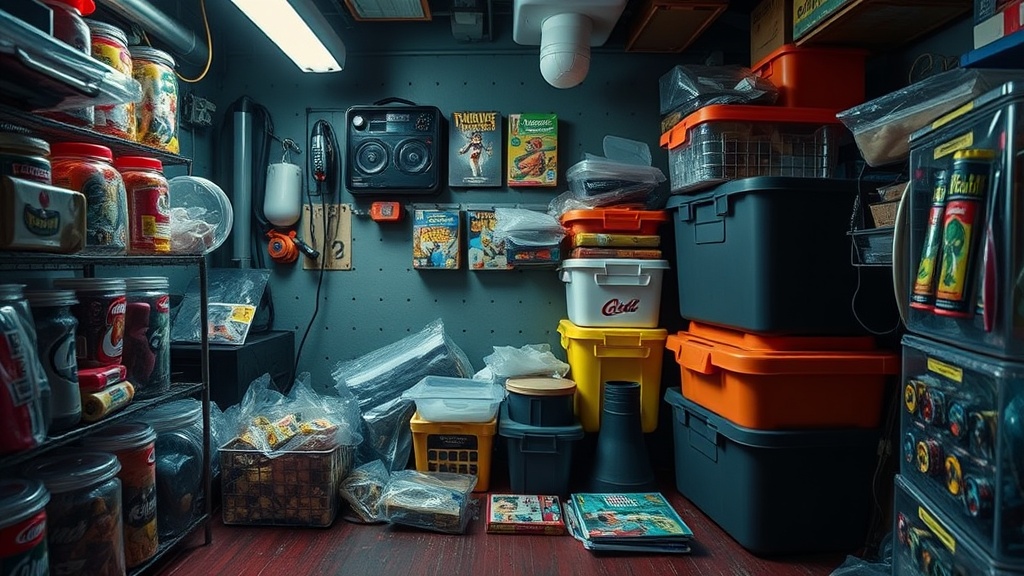
For those who prefer keeping figures in their original packaging, the strategy changes. Boxed collectors need to worry about structural integrity. If you stack boxes too high, the weight can cause the bottom ones to warp. I've seen many collectors lose value on sets simply because the cardboard base became bowed from heavy stacking. If you're serious about your inventory, look into heavy-duty plastic bins for long-term storage, but ensure they are BPA-free to avoid chemical reactions with the plastic components.
- Acrylic Cases: Great for display; provides visibility and dust protection.
- Polypropylene Bins: Excellent for bulk storage; much safer than standard cardboard.
- Acid-Free Sleeves: Ideal for trading cards or extremely thin accessories that might bend.
One thing to remember: never store your collection in a basement or an attic. These areas experience extreme temperature swings. A sudden spike in heat can soften the plastic, making it prone to bending or even melting slightly under its own weight. A climate-controlled room at a stable temperature is the only way to ensure long-term safety.
Does Humidity Affect Plastic Figures?
It certainly does. While plastic itself is relatively resistant to moisture, the secondary materials often found in collections—like paper instructions, cardboard boxes, and even certain types of adhesives—are incredibly vulnerable. High humidity can lead to mold growth on cardboard, which then spreads to the figures. This is a nightmare for collectors of vintage sets where the original packaging is part of the value.
If you live in a humid climate, you'll want to use silica gel packets in your storage bins. These small packets act as moisture absorbers and can save a collection from a damp catastrophe. It's a small investment that pays off massively. You can find reliable information on environmental standards for archival materials at the Library of Congress website, which outlines how humidity affects various media and materials. Even though they focus on paper, the principles of moisture control apply heavily to the cardboard-heavy world of toy collecting.
A common mistake is assuming that a "sealed" container is airtight. Most storage bins are not. If you're storing a collection in a garage, even in a bin, the air inside will eventually equalize with the outside environment. This means the humidity will eventually get in. Always check your storage areas seasonally to ensure nothing is becoming damp or musty.
How Can I Prevent UV Damage and Yellowing?
Sunlight is perhaps the most aggressive force in a collector's life. UV rays break down the chemical bonds in plastic, leading to that dreaded yellowing on white or light-colored pieces. This isn't just a cosmetic issue; it's a sign of chemical degradation. Once a figure has turned yellow from UV exposure, it's nearly impossible to reverse without risky chemical treatments that might damage the piece further.
The best defense is a good offense. If your display is near a window, you're asking for trouble. Use UV-filtering film on your windows or, better yet, move your displays to a room with indirect light. If you use professional display cases, look for those labeled as "UV-resistant." These are often made with high-density acrylic that blocks a significant portion of harmful rays. If you're looking for more technical details on how light affects materials, the National Institute of Standards and Technology offers research on material-light interactions that can be quite enlightening.
Don't forget about the light bulbs in your display cases too. Traditional incandescent bulbs generate heat and emit UV light. Switch to high-quality LED lights; they run cool and don't emit the harmful wavelengths that degrade plastic. It's a simple change that protects your investment while keeping your display bright and visible.
When you're organizing your collection, think about the long-term. Are you storing these pieces for a quick sale, or are you building a legacy? The more thought you put into the environment—the air, the light, and the temperature—the more your collection will retain its luster. A well-maintained collection is a testament to the collector's discipline and respect for the medium.