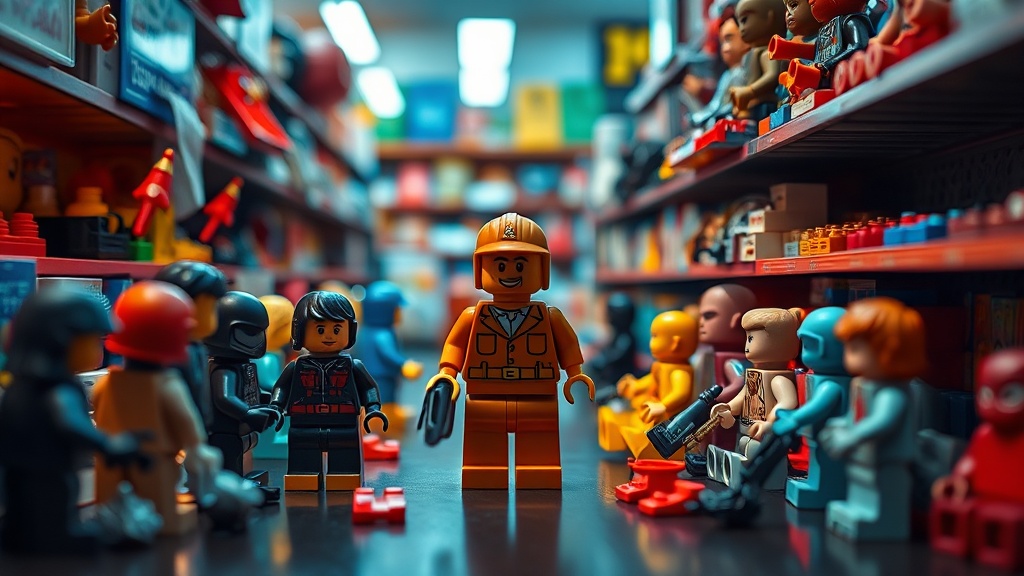
Finding Rare Minifigures at Local Thrift Stores

Why Most People Fail to Find Rare Figures at Thrift Stores
Many collectors believe that finding a high-value minifigure at a local thrift store or charity shop is a matter of pure luck. They think you need to spend hours digging through bins of junk to find that one gold-plated figure or a rare licensed character. This is a mistake. Finding rare collectibles isn't about luck; it's about understanding the specific indicators of value and knowing exactly what you're looking for before you even step through the door. This guide focuses on the practical mechanics of sourcing undervalued items, teaching you how to identify high-value pieces hidden among common toys and how to approach the hunt without looking like a suspicious dealer.
Thrift stores are gold mines if you treat them like a tactical mission rather than a casual stroll. Most people see a pile of plastic and see clutter. You need to see the specific mold lines, the print quality, and the accessory types that differentiate a common $1 piece from a $50 collector item. It requires a sharp eye and a bit of patience—the kind of patience that comes from knowing that the best finds often hide under a layer of dust or at the bottom of a mixed-up bin.
Can You Actually Find High-Value Figures in Charity Shops?
The short answer is yes, but you have to look past the obvious. Most people look for the big-box brands, but the real value often lies in the niche, the outdated, or the "unbranded" items that look like junk to the untrained eye. When you're browsing, don't just look for the shiny, new-in-box items (which are usually overpriced or common). Instead, look for the weathered, the vintage, and the oddly specific. A well-loved, slightly scuffed figure from a discontinued line can often command a much higher price on the secondary market than a brand-new one.
One thing to keep in mind is the condition of the pieces. While a collector wants mint condition, a thrift store find is often "played with." You'll need to learn how to distinguish between surface-level grime—which can be cleaned—and structural damage, like a cracked torso or a faded print. If the print is gone, the value drops significantly. You should check the legs and arms for tightness; if they're loose or wobbly, that's a red flag. You can check real-time market values on sites like BrickLink to see what a specific piece actually commands in the current market. This keeps your expectations grounded in reality rather than fantasy.
What Should You Look For When Sorting Through Bins?
When you encounter a bin of loose parts, don't try to identify every single piece. That's a recipe for fatigue. Instead, develop a mental checklist of high-value indicators. I suggest looking for these three specific things:
- Specialty Parts: Look for unique head molds, specific weapon accessories, or capes. Capes are a huge giveaway for value, especially if they are made of fabric rather than plastic.
- Print Integrity: Hold the figure up to the light. Is the facial expression crisp, or is it blurry? High-quality printing is a hallmark of premium figures.
- Color Rarities: Certain colors are much harder to produce or were only used in limited runs. A plain-looking figure might actually be a rare color variant.
If you see a piece that looks "off"—perhaps a slightly different shade of a limb or a weirdly shaped hat—don't ignore it. These are often the pieces that belong to niche sub-themes or limited-edition releases. Use a magnifying glass if you have to. It's a small investment that pays off when you're staring at a pile of mixed-up parts and trying to find that one specific, rare piece.
How Do You Determine if a Find Is Worth the Price?
Before you head to the register, you need a system for deciding if a find is worth the risk. You shouldn't buy every interesting-looking piece you find. That's how your budget disappears. A simple way to decide is to use the 10x rule. If the item costs $2, but you can't find a documented sale for it at $20 or more on a reputable site, skip it. You need a margin for error to account for shipping costs and the time spent reselling.
I also recommend keeping a small digital notebook on your phone. Whenever you see a piece that looks interesting but you aren't sure of the value, snap a quick photo. You can look it up later when you're home and have a stable internet connection. This prevents you from making impulsive buys at the storefront. It also allows you to cross-reference with databases like eBay Sold Listings to see what people are actually paying, not just what sellers are asking. Asking prices are often inflated; the "sold" price is the only number that actually matters.
One common mistake is assuming that because something is "old," it is automatically valuable. This isn't true. A lot of old toys are just old. You need to find the intersection of age, rarity, and demand. A common figure from 1995 might be worth nothing, while a specific, niche figure from 2015 might be worth a fortune. Focus on the demand side of the equation. If no one is looking for that specific character, it doesn't matter how old it is.
Common Red Flags to Avoid
Watch out for "reproductions." In the world of high-end collecting, many cheap knock-offs are circulating. These can look remarkably similar to the real thing but lack the weight, the precision of the mold, and the quality of the print. If a figure feels exceptionally light or the plastic feels "greasy," it's likely a bootleg. These have zero collector value and can actually hurt your reputation if you try to sell them as authentic. Always check the underside of the feet or the inside of the torso for any manufacturer marks or subtle branding that might indicate authenticity.