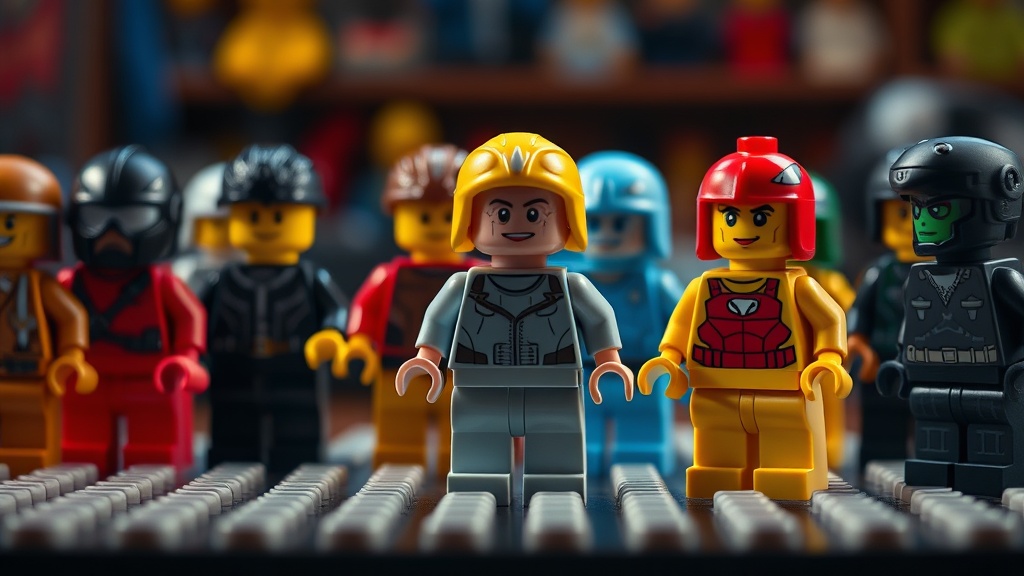
Collector's Eye: Pinpointing Subtle Minifigure Variations

What makes a minifigure variant genuinely unique?
You’re sifting through a bin of loose LEGO, perhaps at a garage sale or a local brick convention. Your fingers brush past a familiar figure—a classic space astronaut, say. At first glance, it looks like any other, but something about the printing on the helmet seems… off. The silver might be a shade darker, or a star might be missing a point. This isn’t a fake, nor is it a trick of the light; you might have just stumbled upon a minifigure variant, and understanding these subtle differences is a skill that separates the casual collector from the seasoned enthusiast. Knowing how to identify these nuanced versions isn’t just about bragging rights; it’s crucial for accurate cataloging, discerning rarity, and ultimately, making informed additions to your collection. This guide will walk you through the specifics of what to look for, helping you train your eye to spot those elusive distinctions.
How do manufacturing differences create one-of-a-kind minifigure variants?
The world of minifigure variants often begins right on the factory floor, a fascinating intersection of mass production and minute anomalies. These aren't necessarily 'errors' in the traditional sense, but rather slight deviations that, over time, create distinct versions highly sought after by collectors. One of the most common categories involves subtle color shifts. Take, for instance, a torso printed with a specific shade of blue. Due to variations in dye batches or manufacturing tolerances, an identical torso produced months later might feature a blue that’s marginally lighter or darker. When placed side-by-side, the difference is noticeable, even if it wasn't an intentional design choice. These aren't always glaring discrepancies; they often require good lighting and a keen eye.
Another area for variant discovery lies in mold differences and small part changes. Over the decades, LEGO has frequently updated molds for heads, torsos, and accessories to improve durability, fit, or simply production efficiency. A character’s head from an early 2000s set might have a slightly different stud depression or a fractionally wider smile than the 'same' character released five years later. Sometimes, accessories undergo similar revisions; a blaster or tool might have a thicker handle or a re-sculpted detail in a later production run. These aren't always documented extensively, making them particularly exciting finds. Also, misprints, while technically factory defects, can sometimes be consistent enough across a production batch to be considered a variant by the collecting community. A minifigure with an arm print that's consistently shifted a millimeter, for example, can become a recognized variant rather than a random anomaly. These manufacturing quirks highlight the incredible attention to detail required when assessing each piece.
Where can you find reliable information to verify minifigure variations?
Once you suspect you’ve found a variant, the next step is verification. In an age of countless counterfeits and fan-made customs, confirming the authenticity and recognized status of a variant is paramount. Thankfully, the minifigure collecting community has developed robust resources to assist with this process. The most comprehensive starting point for most collectors is