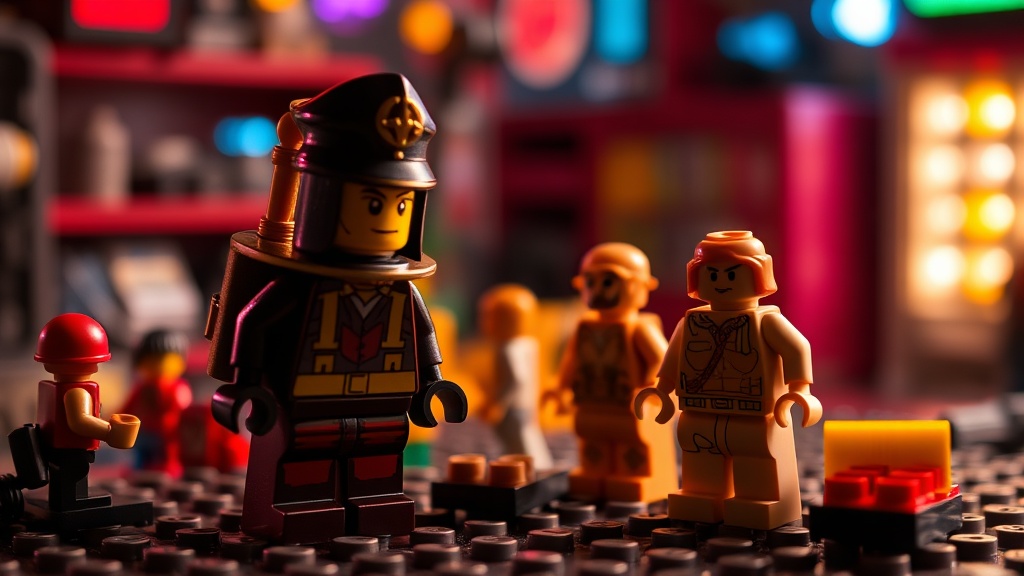
Building a High-Value Minifigure Investment Strategy

Why many collectors lose money on their collections
Most people assume that simply buying every new set released by LEGO means they are building a valuable collection. They think scarcity happens automatically as years pass. It doesn't. A shelf full of common figures is just plastic—it isn't an investment. Real value comes from understanding the difference between mass-produced accessibility and genuine rarity. If you want to treat your collection as an asset, you have to stop thinking like a consumer and start thinking like a curator. This guide breaks down how to identify figures that actually hold value, how to avoid the common pitfalls of 'hype' buying, and how to manage your inventory for long-term stability.
The Myth of the 'Retired' Set
There is a common misconception that a set being 'retired' makes the minifigures inside it instantly valuable. In reality, many retired sets have a surplus of figures in the secondary market because the supply was massive to begin with. If a set was released in the millions, the minifigures won't be rare for a long time. To find real value, you need to look for figures with limited production runs or those that are part of highly specific, one-off themes. Instead of chasing the general popularity of a theme, look for the outliers—the figures that appear in only one specific set or those that have unique printing that won't be repeated.
How do I identify high-value minifigures early?
Identifying a winner before the price spikes requires a keen eye for detail. You aren't looking for the most famous characters; you're looking for the most unique ones. Here are three indicators of potential value:
- Unique Part Moldings: A figure that uses a non-standard hairpiece, helmet, or accessory is often more valuable than a standard figure with a common head.
- Limited Theme Lifespans: Themes that are niche or have a short production window (like certain licensed properties) often yield more valuable figures than the massive, long-running themes.
- Print Complexity: The more detail in the printing—especially on the legs and arms—the higher the perceived value among serious collectors.
I often see collectors buying into the hype of a new, popular series only to find that the secondary market is flooded with the same figure six months later. Don't follow the crowd. If everyone is talking about a specific figure, the price is likely already peaked or the supply is too high to see meaningful growth. Use sites like