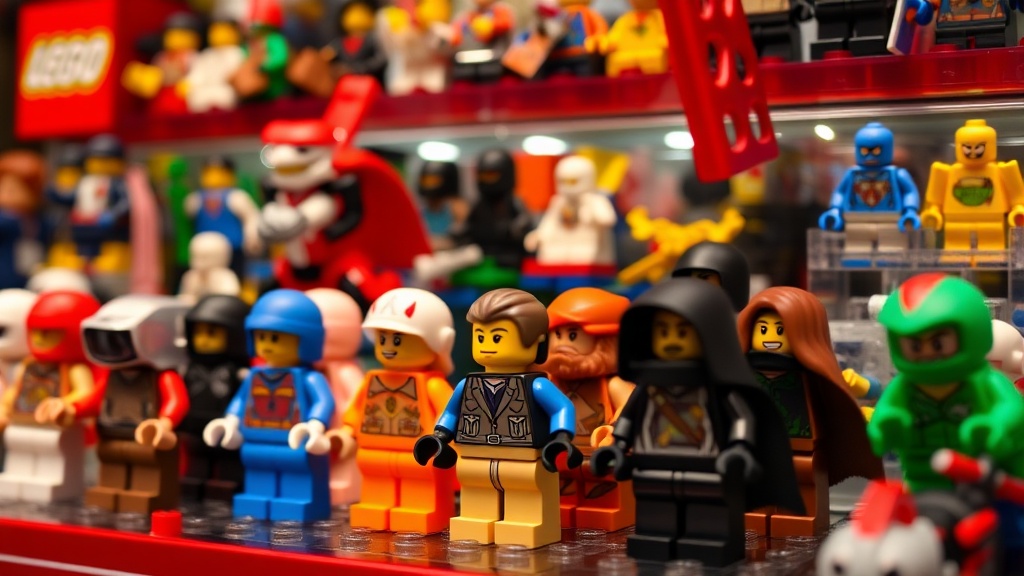
5 Proven Ways to Display and Protect Your LEGO Minifigure Collection

Use Stackable Acrylic Display Cases
Install LED-Lit Floating Shelves
Rotate Figures to Prevent UV Damage
Label and Organize by Theme or Series
Control Humidity with Silica Gel Packs
LEGO minifigures sit at the crossroads of toy and collectible. Whether you've got fifty figures or five hundred, how they're shown and stored directly affects value, condition, and how much enjoyment they bring. This post covers five proven methods to display and protect minifigure collections—practical setups that work for small shelves, dedicated rooms, and everything between. You'll see real products, actual brands, and setups that don't require a custom build.
What's the Best Way to Display LEGO Minifigures Without Damaging Them?
The safest approach combines enclosed displays with minimal handling and protection from direct sunlight. Wall-mounted cases and deep frames keep figures visible while shielding them from dust, pets, and accidental bumps.
Many collectors in Edmonton and beyond swear by the IKEA SANNAHED frame. It's deep enough for standard minifigures in their baseplates, costs under $20, and hangs flush like artwork. (You'll need to arrange figures carefully—crowding leads to scratched torsos.) The IKEA RIBBA frame works too, though it's shallower and better suited for flat-display scenarios without accessories.
For something purpose-built, Wicked Brick produces wall-mounted display cases sized specifically for LEGO Collectible Minifigures. These cases come with stepped bases so every figure remains visible, and the acrylic front stops dust without creating glare nightmares. Here's the thing: wall mounting means zero footprint. That matters when floor space runs short. Wicked Brick cases also include mounting hardware designed for drywall and studs, which means less guessing about whether a heavy display will pull free in six months.
Another solid option is repurposing a baseball bat display case. Stores like Michaels and Hobby Lobby sell these wood-and-acrylic cases cheaply—often under $30 with a coupon. They're deep, lockable, and long enough to hold a full series of sixteen figures. Worth noting: bat cases don't include stepped bases, so you'll want to add your own using LEGO bricks or custom 3D-printed risers. Some collectors paint the wood interiors matte black to reduce reflections and give figures that museum-quality backdrop.
When arranging figures inside any wall case, group them by theme or color rather than random scattering. The human eye reads organized displays as more impressive, and thematic grouping reduces the urge to constantly rearrange—which means less handling and fewer opportunities to drop a tiny lightsaber into the couch abyss.
Are Acrylic Cases Worth It for Minifigure Protection?
Yes—high-quality acrylic cases deliver excellent clarity, physical protection, and (in premium models) UV resistance that slows plastic yellowing.
Individual acrylic cases from iDisplayit have become a favorite among serious collectors. Each case houses a single minifigure with a printed backdrop—perfect for high-value items like vintage Boba Fett or SDCC exclusives. The stackable design means you can build towers on a desk or shelf without worrying about figures tipping over. That said, stacking more than six cases high starts to feel precarious if you live in an earthquake-prone zone or have curious cats.
That said, not all acrylic is equal. Cheap cases from unknown Amazon brands often arrive with scuffs, poor fits, or no UV coating. Wicked Brick and LEGO's own Minifigure Display Case cost more, but the cut precision and material quality justify the price for long-term collectors. The catch? Acrylic scratches more easily than glass, so you'll need a soft microfiber cloth—never paper towels—when dusting. A single grain of sand dragged across cheap acrylic can leave a permanent mark.
LEGO's own Minifigure Display Case 16 uses a harder polycarbonate shell rather than thin acrylic. It won't scratch as easily, though the plastic can yellow slightly over a decade. These cases are widely available at Toys 'R' Us, Walmart, and directly from LEGO.com.
For series collectors who want every figure in one protected unit, PapiMax makes stackable cases with compartments. These work brilliantly for complete CMF (Collectible Minifigure) series and keep figures organized by release wave. You can check current CMF release schedules on Brickset to plan your display layout before committing to a case size. Each compartment typically fits one figure with a small accessory, though larger builds like the recent banana costume figure might need some creative squeezing.
How Do You Keep Minifigures Dust-Free Long-Term?
Enclosed shelving with glass or acrylic fronts, combined with a gentle cleaning routine every few months, keeps minifigures pristine without constant maintenance.
The IKEA DETOLF glass cabinet remains the entry-level gold standard for display collections. It's tall, narrow, and affordable—usually around $70. Four shelves hold hundreds of figures, and the glass doors seal out most household dust. (You will still see a fine layer after six months, but it's nothing like open shelving.) Add LED strip lights and the cabinet turns into a proper showcase. Some collectors add weatherstripping tape around the DETOLF door gaps for an even tighter seal.
For collectors battling dry Edmonton winters or humid summers, the DETOLF's glass construction doesn't off-gas chemicals that could harm plastic over decades. Here's the thing: dust isn't just cosmetic. Particulate matter can work its way into joint crevices, making arms and legs stiff over time. A soft makeup brush or camera lens blower removes dust safely without disassembling figures. Avoid canned air—propellants can spray freezing liquid that cracks plastic.
If cabinets feel too large, consider small countertop cases. LEGO's official Minifigure Display Case 16 stacks vertically and includes a transparent door. It's compact, portable, and ideal for desk collectors who want visibility without the dusting burden. The case clips shut firmly, which is great unless you have arthritic hands—then the stiff latch becomes a minor annoyance.
What About Temperature, Light, and Humidity Control?
Minifigures last longest in stable, moderate environments—ideally 65–72°F with 40–55% humidity and no direct sunlight.
ABS plastic (the material LEGO uses) is durable, but it's not invincible. Direct sunlight causes colors to fade and white elements to yellow. Heat accelerates this process, which is why figures near radiators, vents, or attic spaces often show damage first. UV-filtering acrylic cases help, but they're not magic shields. Position displays away from windows whenever possible. North-facing rooms in Edmonton homes work beautifully because they receive steady indirect light without the harsh southern exposure that bleaches red bricks to pink.
Humidity swings pose a different threat. Very dry air makes plastic brittle over decades. Excess moisture can lead to mold in paper accessories—think capes, flags, and cardboard stands. A small Eva-dry dehumidifier or reusable silica gel packs inside cabinets controls moisture without electricity. Worth noting: if you store figures in basements, check humidity monthly. Basements in Alberta can swing wildly between winter dryness and summer dampness.
For climate tracking, a simple ThermoPro TP50 digital hygrometer costs under $15 and fits inside any cabinet. It's a small investment that prevents expensive surprises. Some collectors go further and run a Levoit humidifier in their display room during winter months to keep the air from becoming painfully dry. That said, don't aim humidifier mist directly at displays—condensation on acrylic looks terrible and can seep into cases.
If your display room has forced-air heating, consider placing a small bowl of water nearby during winter. It's an old-fashioned trick, but it adds just enough moisture to the immediate area to keep plastic from drying out. Monitor it closely, though—too much humidity invites trouble.
How Should You Store Minifigures That Aren't on Display?
Long-term storage demands acid-free containers, minimal stacking pressure, and clear organization so figures don't get lost or crushed.
Keep retired figures in Really Useful Boxes with adjustable dividers. These translucent containers let you see contents without opening lids, and the sturdy plastic won't warp or off-gas. Avoid cheap dollar-store bins—they can become brittle and crack, dumping sharp edges onto your collection. The 4-liter size with a divider insert holds roughly forty minifigures comfortably.
For minifigures still in original polybags or boxes, store them flat in a cool closet rather than stacked high. Weight from above creases cardboard and can stress sealed packaging. Collectors who trade or sell later know that box condition affects resale value dramatically. You can verify current market values for sealed vintage minifigures at BrickLink, the largest LEGO marketplace. A creased box might mean the difference between a $200 sale and a $120 disappointment.
Disassembled figures need special care. Wrap torsos and leg assemblies separately in acid-free tissue to prevent rubbing. Store capes and cloth accessories flat in archival polyester sleeves—folding creates permanent creases. Here's the thing: organization now saves hours later. Label every container with series numbers or themes. A loose Ziploc bag full of mixed parts might seem fine today, but it'll become a scratched, forgotten pile in five years.
Consider keeping a simple inventory spreadsheet. Note which figures are on display, which are in storage, and which have missing accessories. Apps like Rebrickable or even a basic Google Sheet work fine. Knowing exactly where Mr. Gold or your Cloud City Boba Fett lives eliminates the panic of tearing through twenty boxes when it's time to sell or show off.
That said, not every figure belongs in a vault. Rotate displays seasonally. Swap out summer setups for holiday-themed figures. The ones resting in storage get a break from light exposure, and the displayed ones stay fresh and interesting. It's a simple way to enjoy the full collection without buying new pieces every month.
Quick Comparison: Display Options at a Glance
| Display Method | Best For | Price Range (CAD) | Dust Protection |
|---|---|---|---|
| IKEA SANNAHED Frame | Wall art, 10–15 figures | $15–$20 | Excellent (enclosed) |
| Wicked Brick Acrylic Case | Series completion, stepping | $40–$80 | Excellent (enclosed) |
| IKEA DETOLF Cabinet | Large collections, rooms | $70–$90 | Very Good (glass doors) |
| iDisplayit Single Case | High-value individual figures | $12–$25 each | Excellent (sealed) |
| Baseball Bat Display Case | Budget wall mounting | $25–$40 | Good (hinged front) |
Protecting a LEGO minifigure collection doesn't require a museum budget. A few well-chosen cases, some attention to light and humidity, and a consistent cleaning routine will keep figures looking sharp for years. Start with the display method that fits your space and budget, then build outward as the collection grows. The best protection plan is the one you'll actually maintain.